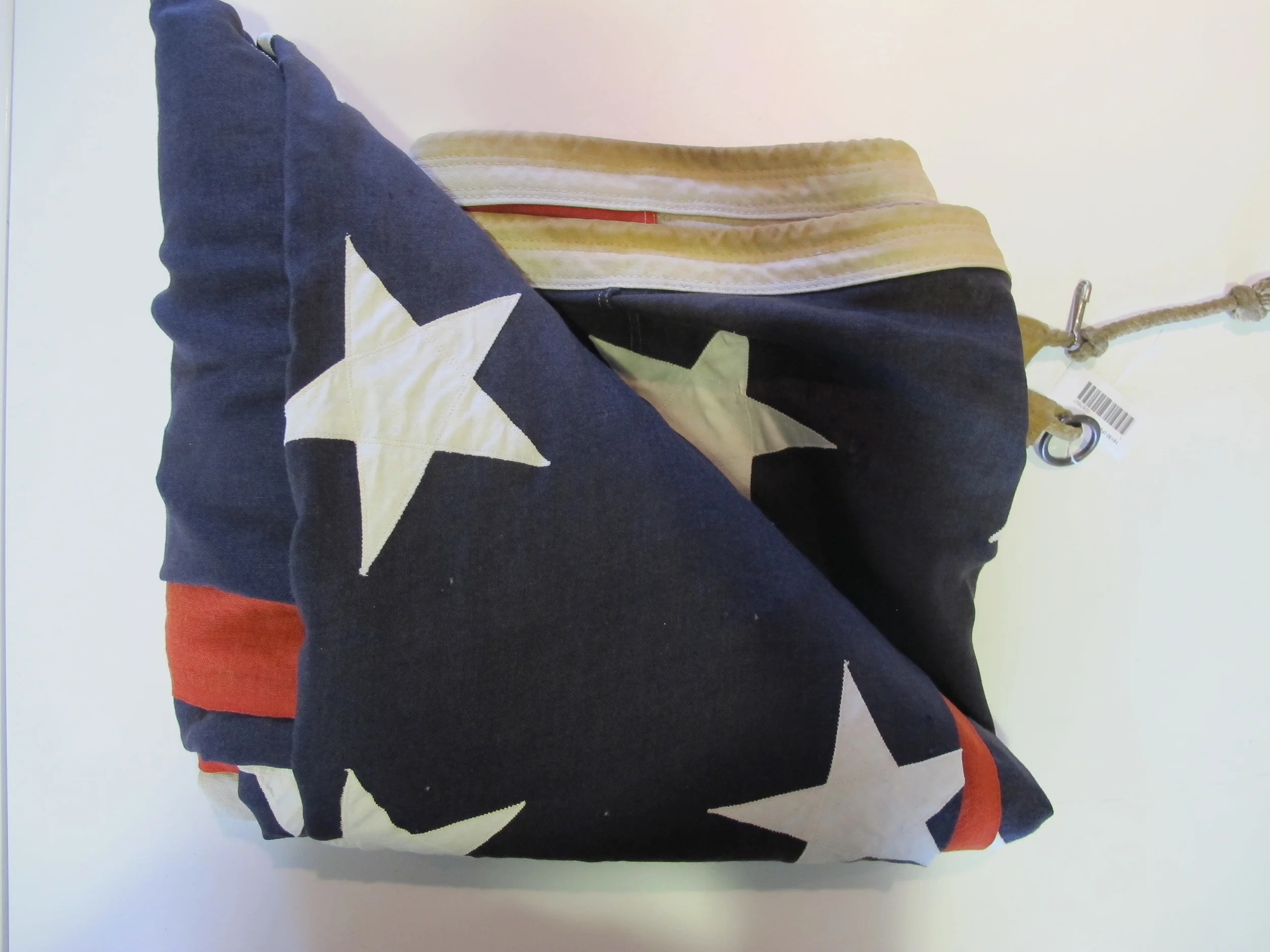
At The Center, we treat items of great worth, historical artistic significance and shared cultural value. But perhaps some the most rewarding work we do is in preserving family heirlooms. These items very greatly from paintings to furniture and can be extremely valuable or purely sentimental, but all hold stories with meaning to the owners. We feel honored to assist families with preserving these items for future generations, and allowing their stories to carry on, and would like to share a recent story from one of our clients.
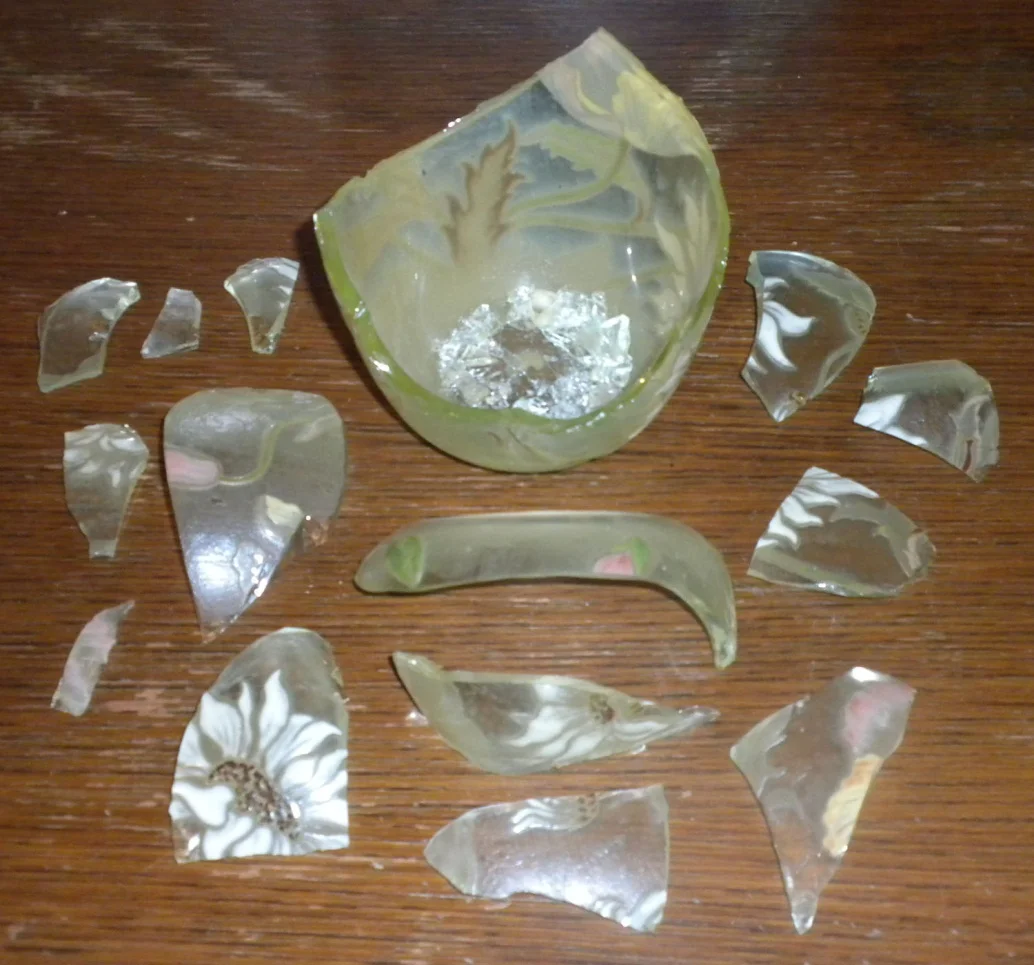
Shattered Emile Galle Vase of The Glessner House Museum
A delicate glass vase by French artist Emile Galle (1846-1904), owned by the Glessner House Museum was brought to The Center after it was accidentally damaged and shattered. The vase broke into discrete fragments with extensive associated losses along the break edges, including an area of significant loss around the rim. There were also two running cracks as a result of a fracture.
Conservation of an Antique Gaming Table
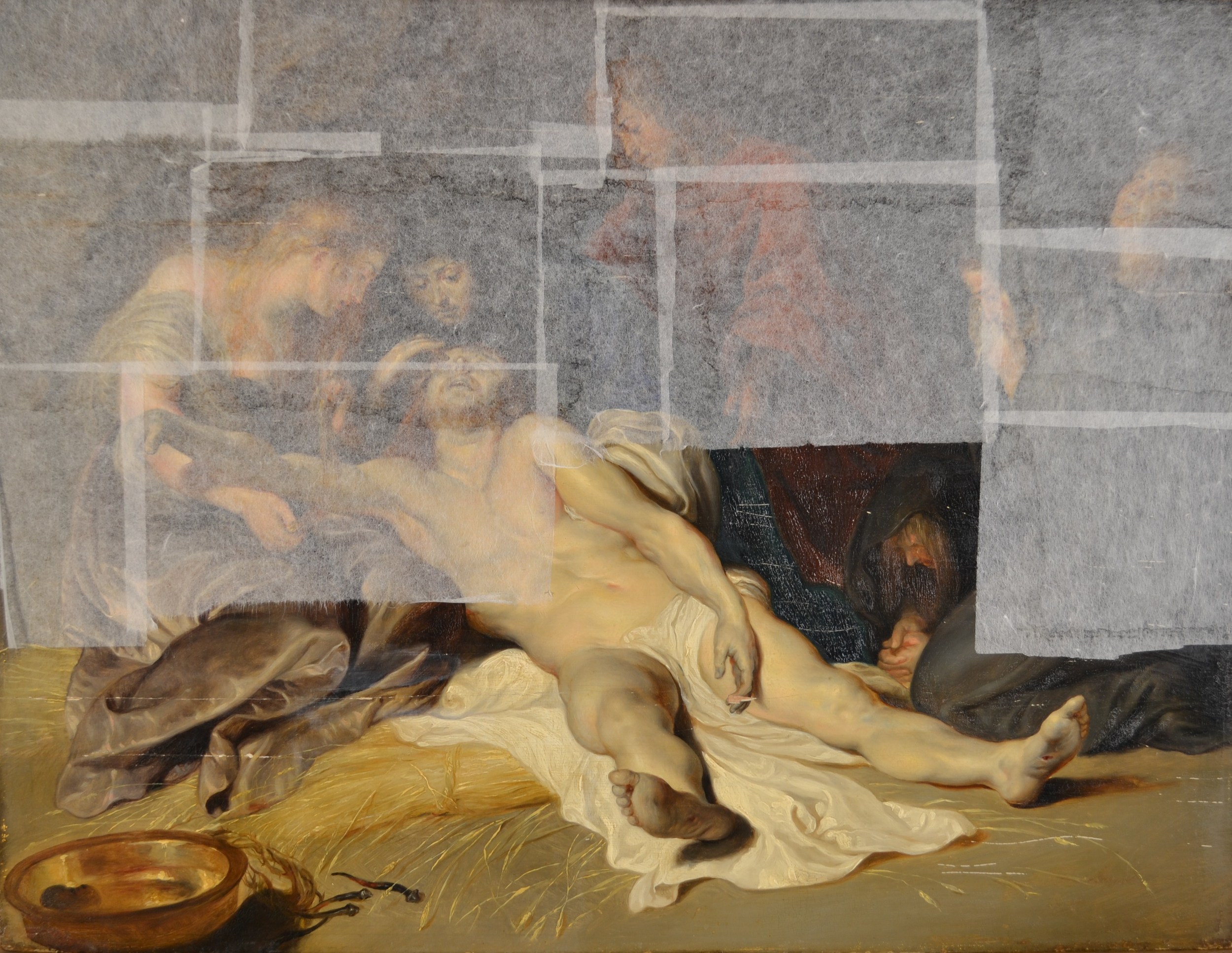
Consolidating a Flaking 17th Century Panel Painting
Corporate Collections and The Center
Whether a corporation’s art collection is a curated investment, a donation from an art-loving CEO, an act of community connection, or a trove of archival material, keeping it in good condition requires the knowledge of experts. The Conservation Center has a long history of caring for corporate art holdings in four categories: disaster response, re-housing, storage, and display.
A Portrait with a Problem
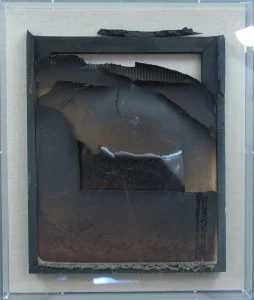
This portrait was one of a series of artworks brought to The Center after a destructive home fire. The painting showed signs of severe fire-related damage: the
ordeal left a heavy, dark layer of oily and acidic soot on the surface, obscuring the painted surface completely. Additionally, the stretcher had been charred, and undulations were present throughout the canvas.
Waxing Aesthetic: Historical Considerations in the Restoration of a Napoleonic Dragoon Helmet
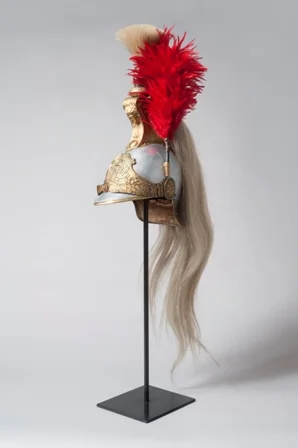
The Napoleonic Dragoon Helmet, an example of the Grecian-inspired helmets worn by specific members of Napoleon’s cavalry, was brought to The Center in need of restoration. The leather lining of the helmet was loose with several losses to the leather and the risk of further degradation. The proper right leather strap was loose as well, with both straps having been previously re-attached with blue putty. Furthermore, the skull of the helmet exhibited several shallow dents and the horse hair mane was tangled and messy. The top decoration was missing from the helmet completely. There were some scratches on the surface, as well as evidence of use and wear. The metal and hair elements were both coated with dust and grime. There was also some tarnish on the gilded areas.
The Importance of Conservation Framing: The Basics and The Benefits of Archival Housing
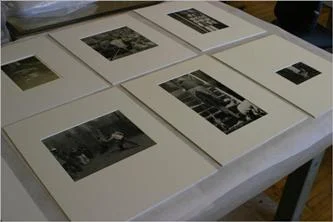
When owners and caretakers of artwork want to properly house their treasured works, their collection may pass through The Center’s Custom Framing Department. Works on canvas, metal, wood, plastic and everything in-between are treated at The Chicago Conservation Center. Each work is individually assessed in order to determine the most appropriate type of housing, based upon the medium, the stability of the piece, the style and the client’s display concerns. A wide variety of housing options are available: traditional framing, custom mounts, and vitrines are the most common.
Conservation and Restoration of the Chevy Chase Sideboard
At the time of Hurricane Katrina, the Chevy Chase Sideboard lay in a warehouse, broken down for shipment and secured on pallets, awaiting transportation north. This journey was scheduled to occur in mere days when the contents of the entire building were inundated by a flood that swamped the entire Ninth Ward, as well as most of the city of New Orleans.