We were recently delighted to work on an unusual heirloom: a souvenir diascope. Perfectly preserved in time, this diascope contains a small photographic slide of our client’s relatives standing in front of the Grand Cascade at Peterhof Palace, looking directly into the camera. Diascopes were produced in the Soviet Union throughout the 1970s and 80s as souvenir items. These handheld slide viewers came in a range of plastic forms, from decorative to playful, including shells, rockets, and simple geometric shapes.
Watch Anastasiia Begunova, our assistant objects conservator, clean the diascope — then scroll down to learn more about the history of souvenir collecting and the treatment process.
The word souvenir first appeared in Old French around 1100 CE as suvenir, meaning “something in one’s memory.” Over time, the term came to refer to physical mementos, now most often associated with travel. Early examples can be traced to the Roman period, when traveling soldiers stopped at sites associated with Christian martyrs and filled their ampullae, small flasks used to carry home water or oil from religious shrines. With the invention of the printing press, souvenirs became more widely produced, as inexpensive decorative objects could be made quickly and in large quantities. From postcards to fragments of the Berlin Wall, people have long sought tangible ways to hold onto their experiences.
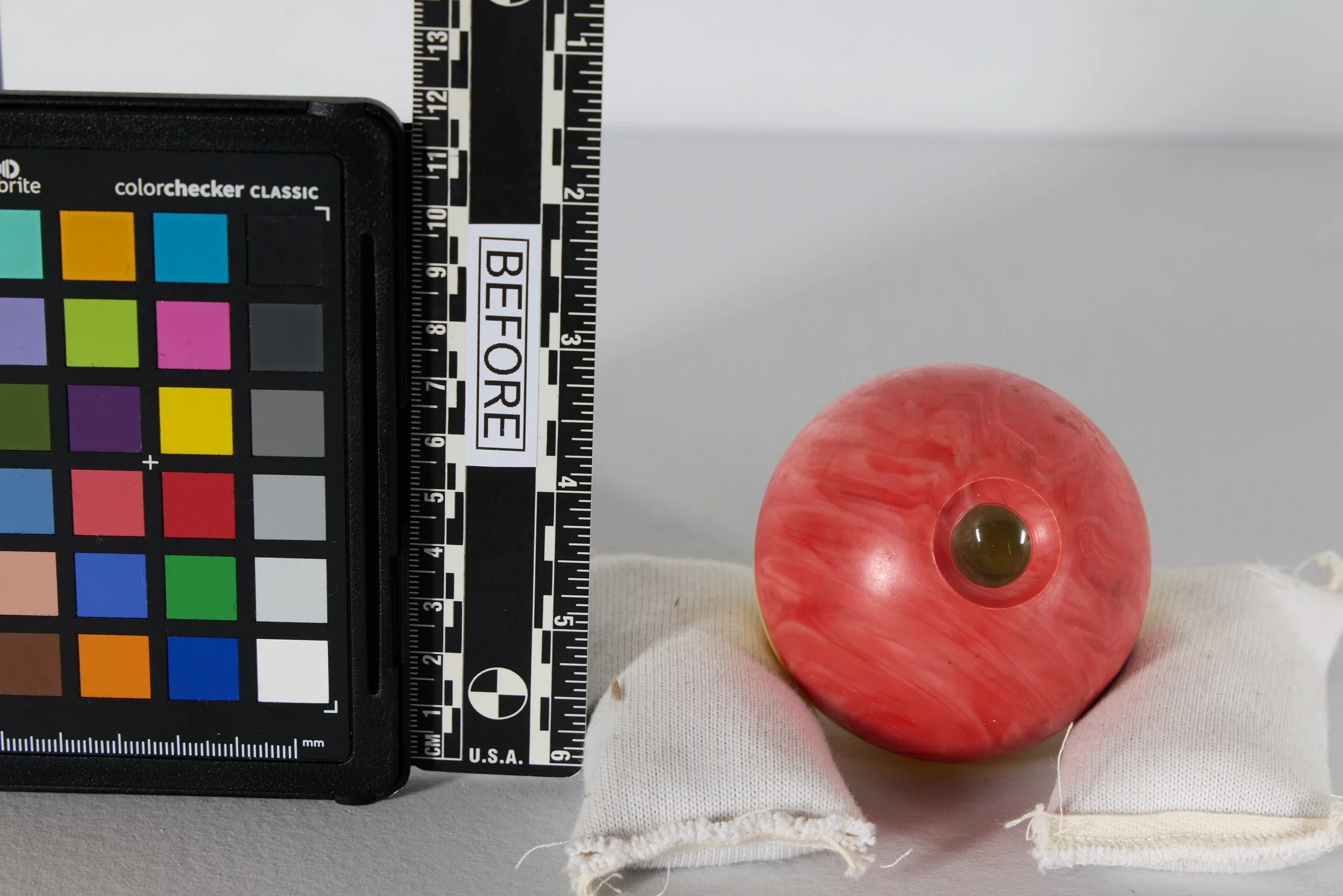
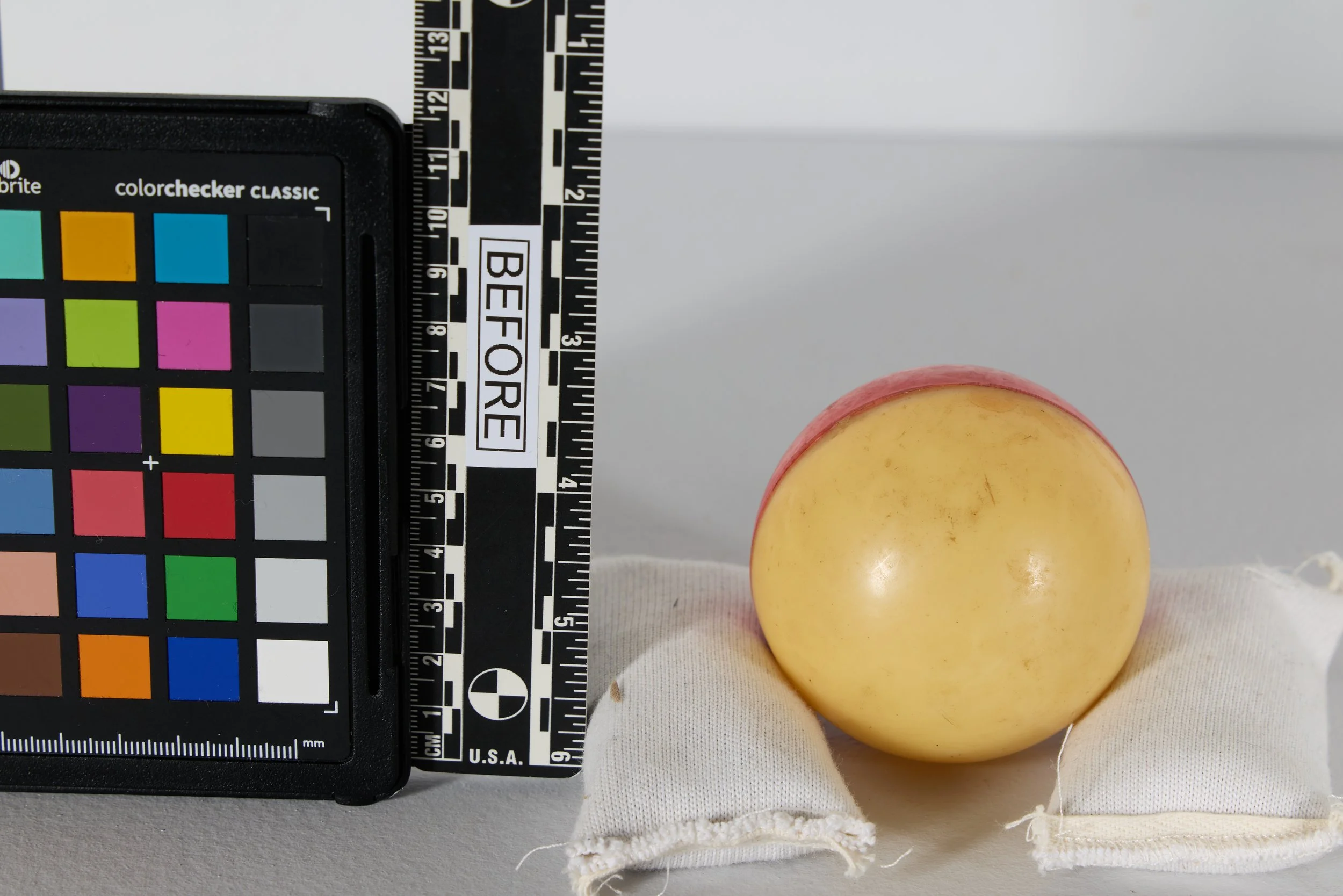
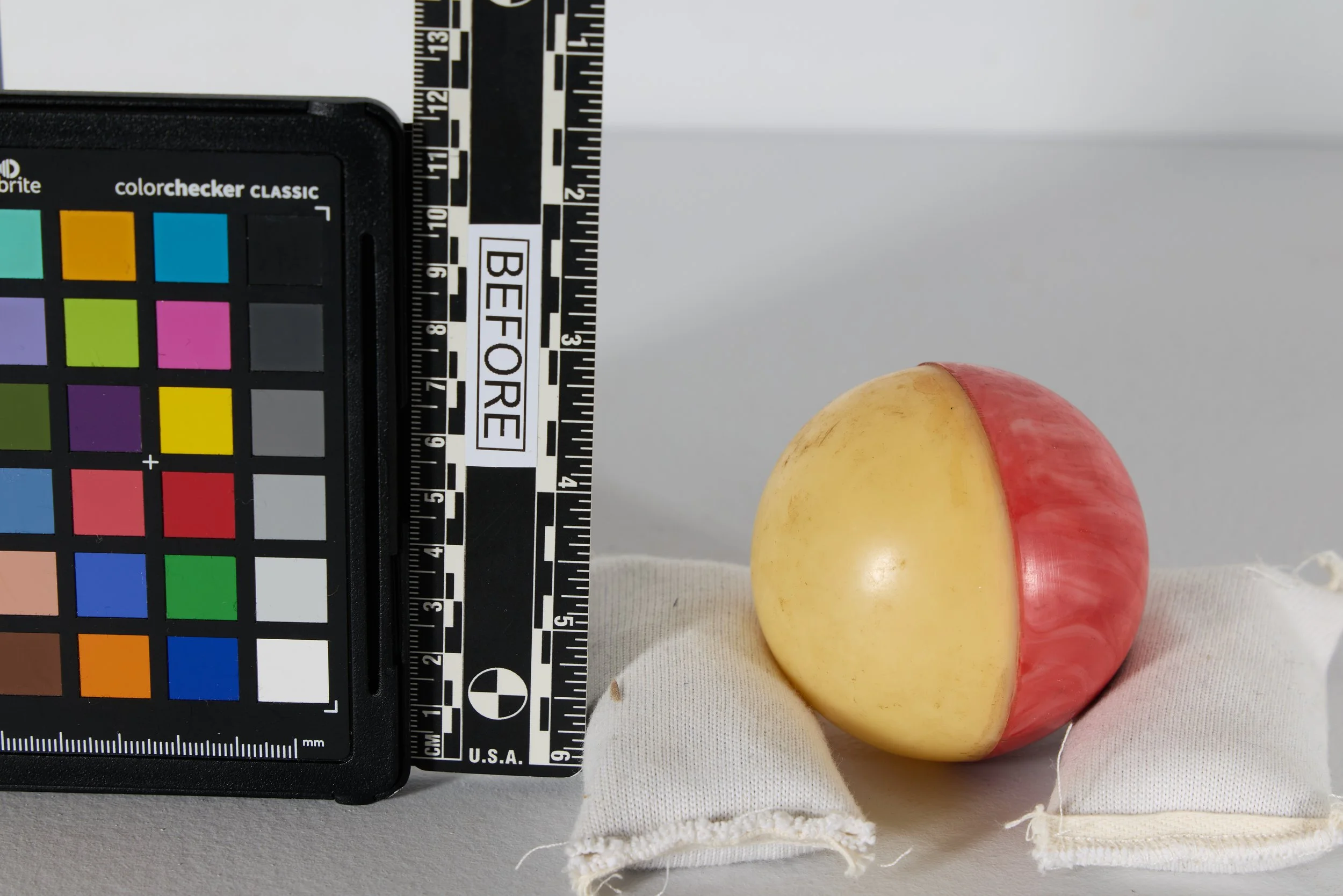
The diascope arrived in stable condition, with light abrasions and surface dirt consistent with handling. A yellowed adhesive was visible along the seam, securing the two halves. Because of this, the object cannot be opened without risking damage to both the plastic and the photograph inside, which set clear limits for treatment.
Before treatment:
Conservation work focused on surface cleaning. An aqueous solution was used to reduce dirt and bring back some clarity to the plastic, while the adhesive at the seam was left undisturbed. The aim was to stabilize the object and improve legibility, not to return it to a like-new state, in keeping with our guiding principle that less is more.
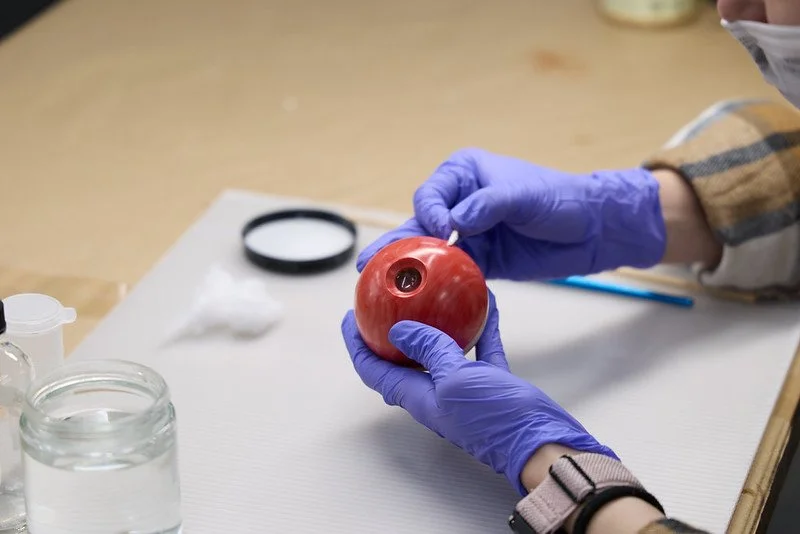
During treatment.
After treatment:
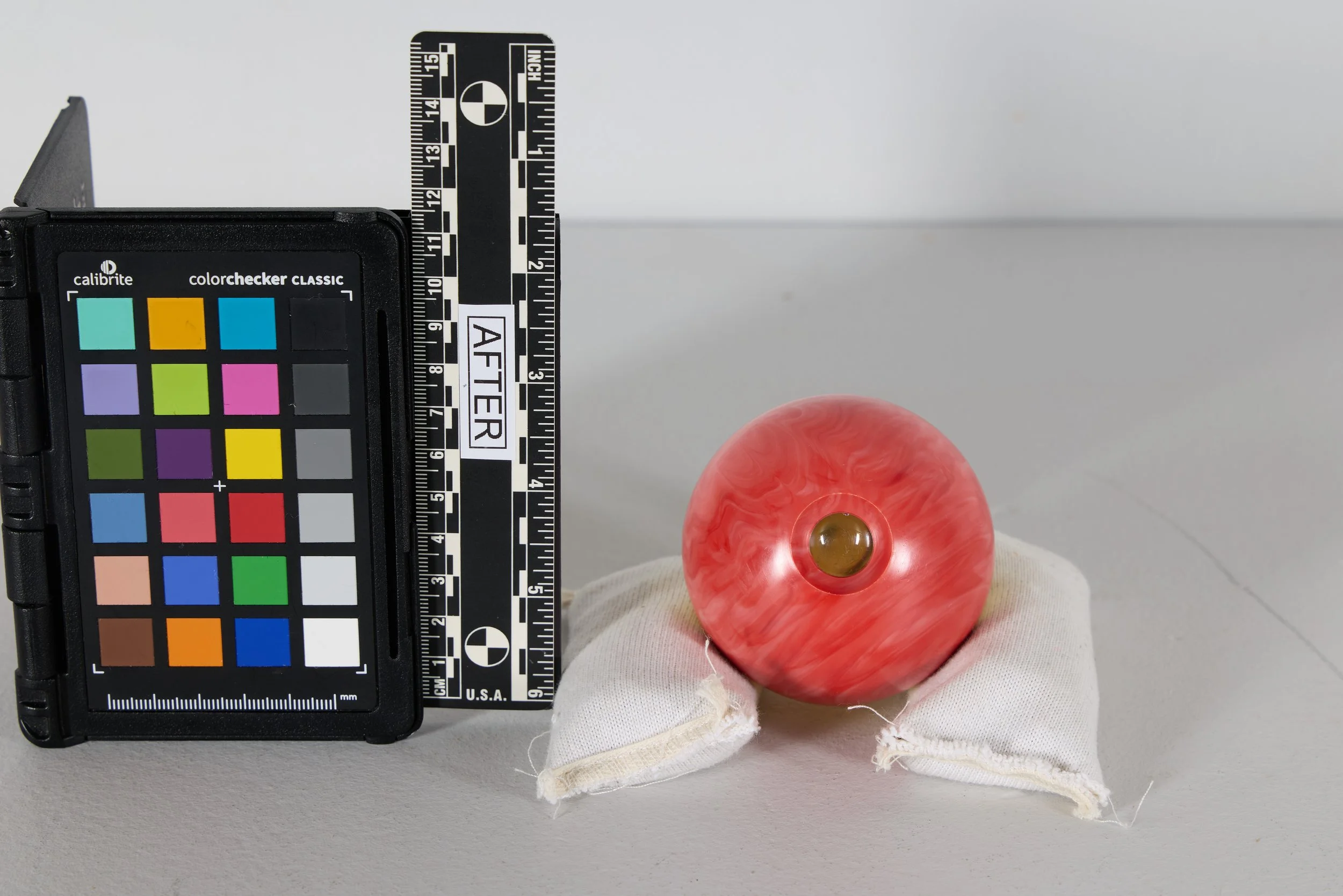
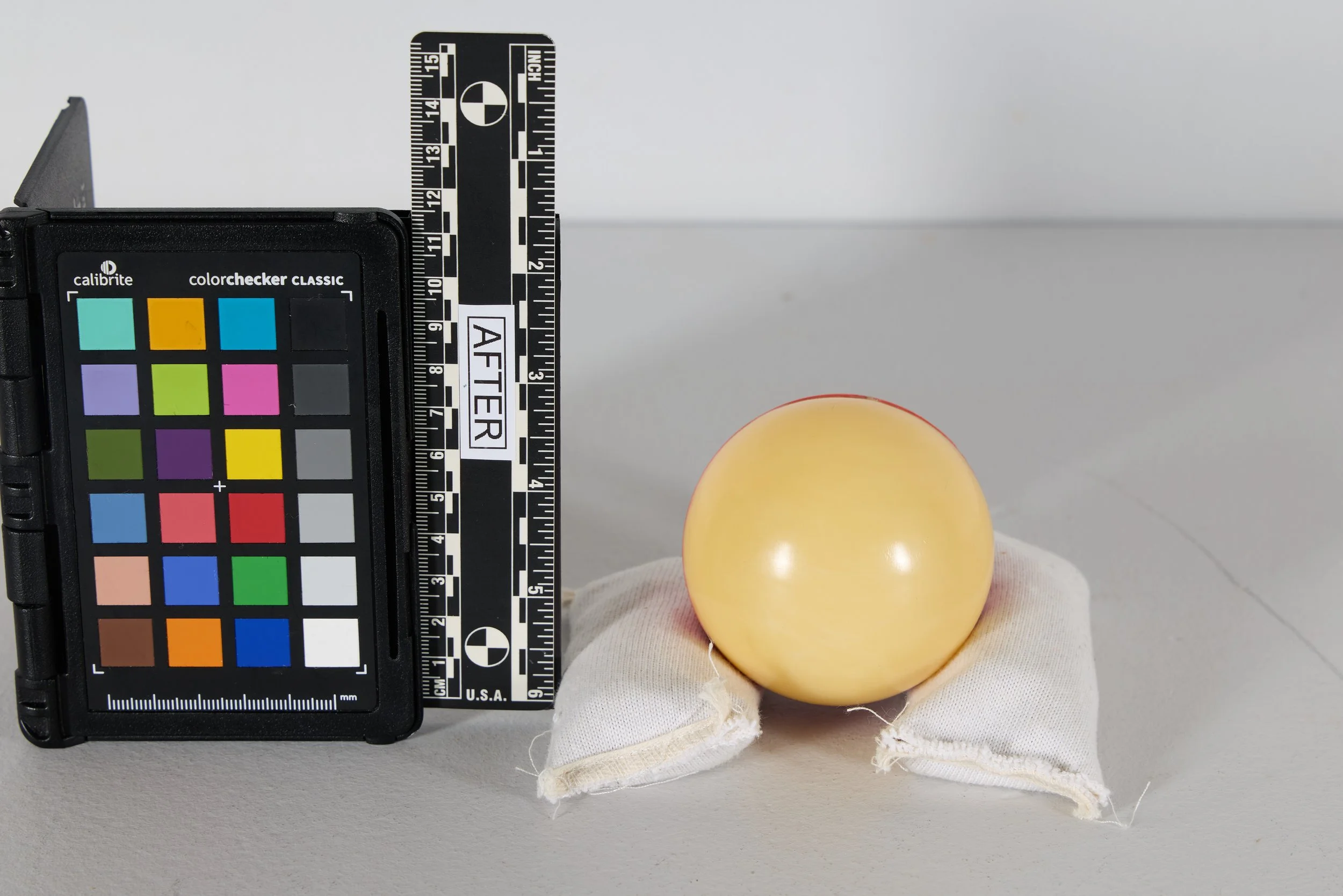
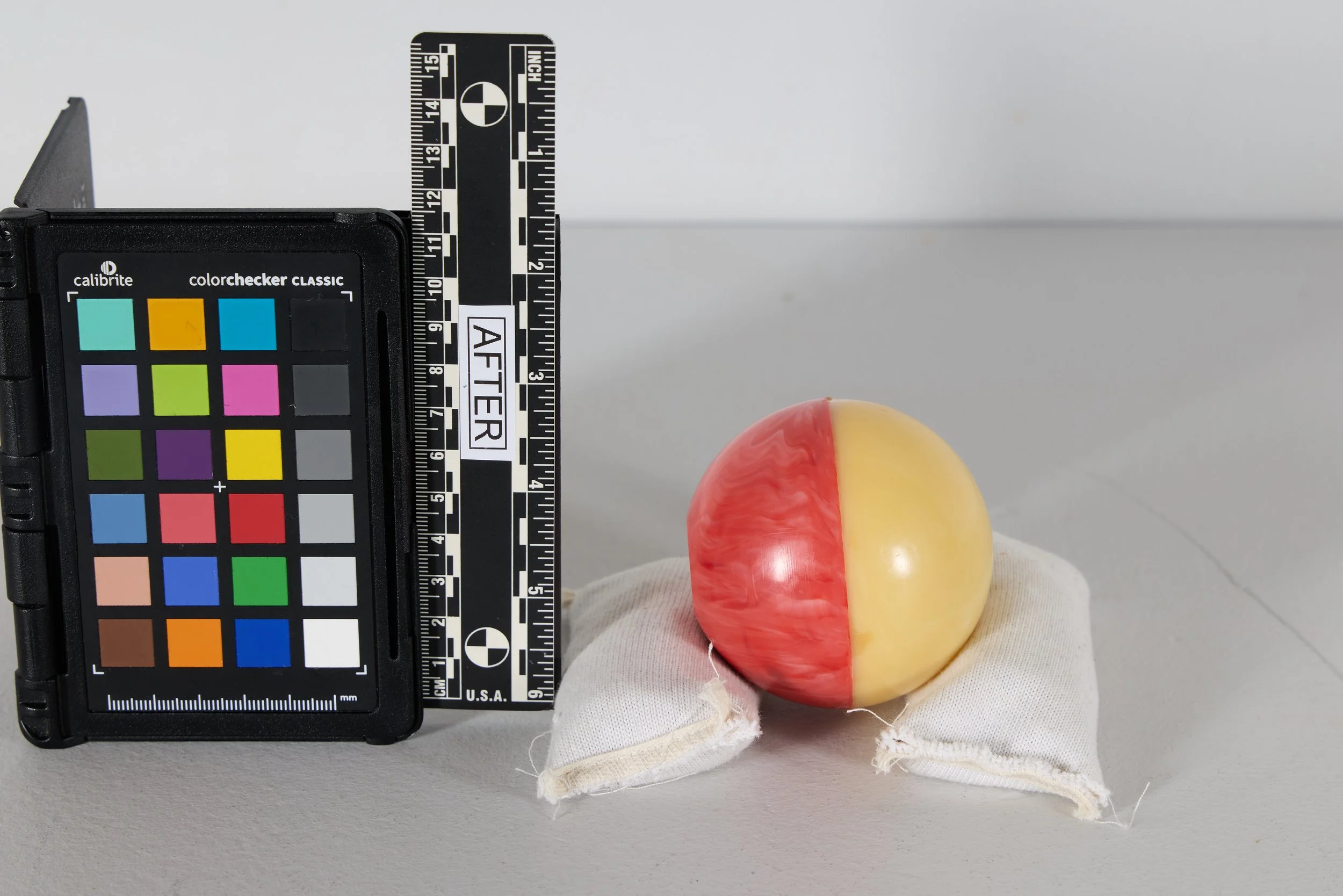
Since the photograph could not be accessed directly, it was captured in sections through the lens using a macro setup and light table. These were combined to reconstruct the full view, with minor adjustments to address fading and areas of loss. The result was produced as an archival print.
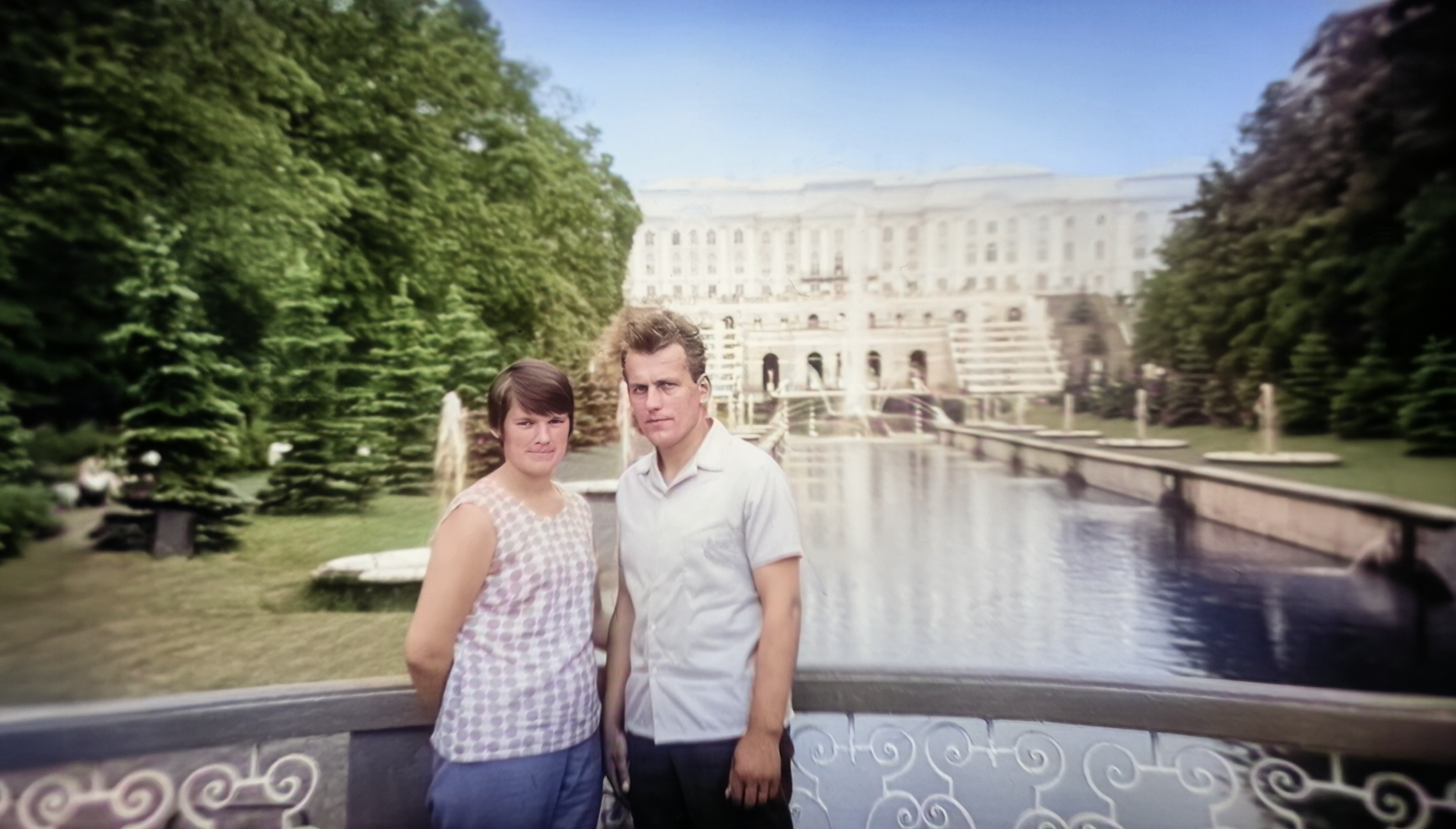
The image inside of the disascope.
The diascope remains unchanged, still holding the original slide, which can now be fully admired as a separate treasure.
Sources and further reading:
https://www.souvenirproject.org/history/origins-of-souvenir/
https://www.christies.com/en/lot/lot-5859298
https://www.christies.com/en/stories/the-art-of-the-souvenir-e3517d58956f4ed8a4a99b0cd0eef3e7
